The final years of Picasso’s life were coloured by an insatiable creative urge. Featuring more than 60 works from the 1960s and 1970s, and in the most extensive Nordic exhibition in 40 years of his late works, Late Picasso will reveal how one of the most famous artists in the world never ceased his quest for innovation.
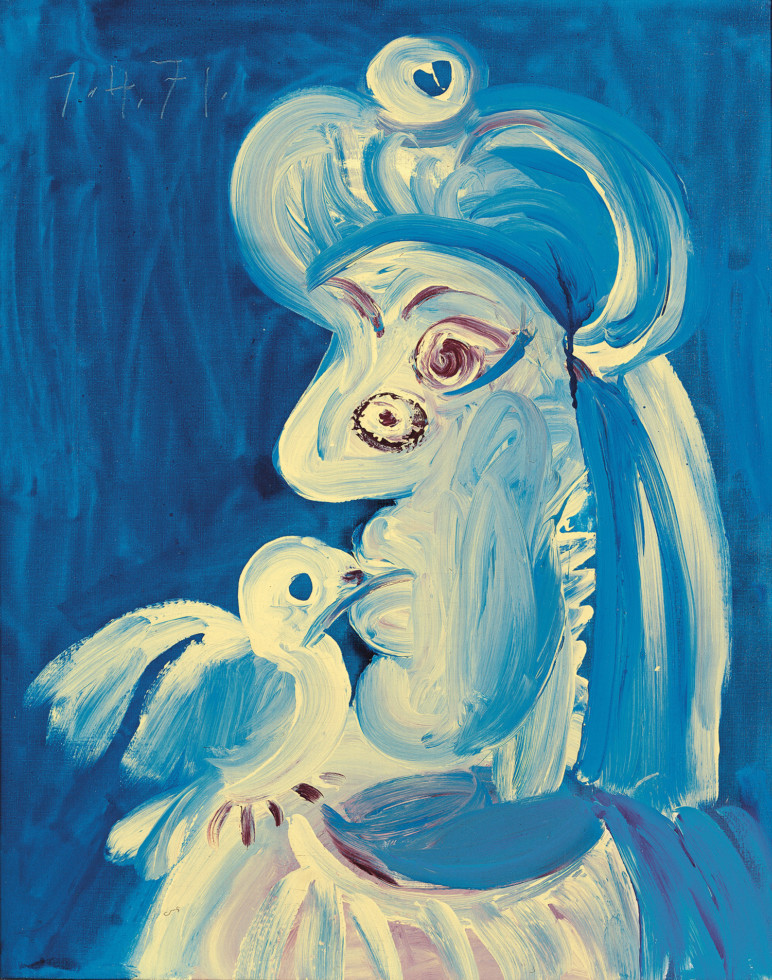
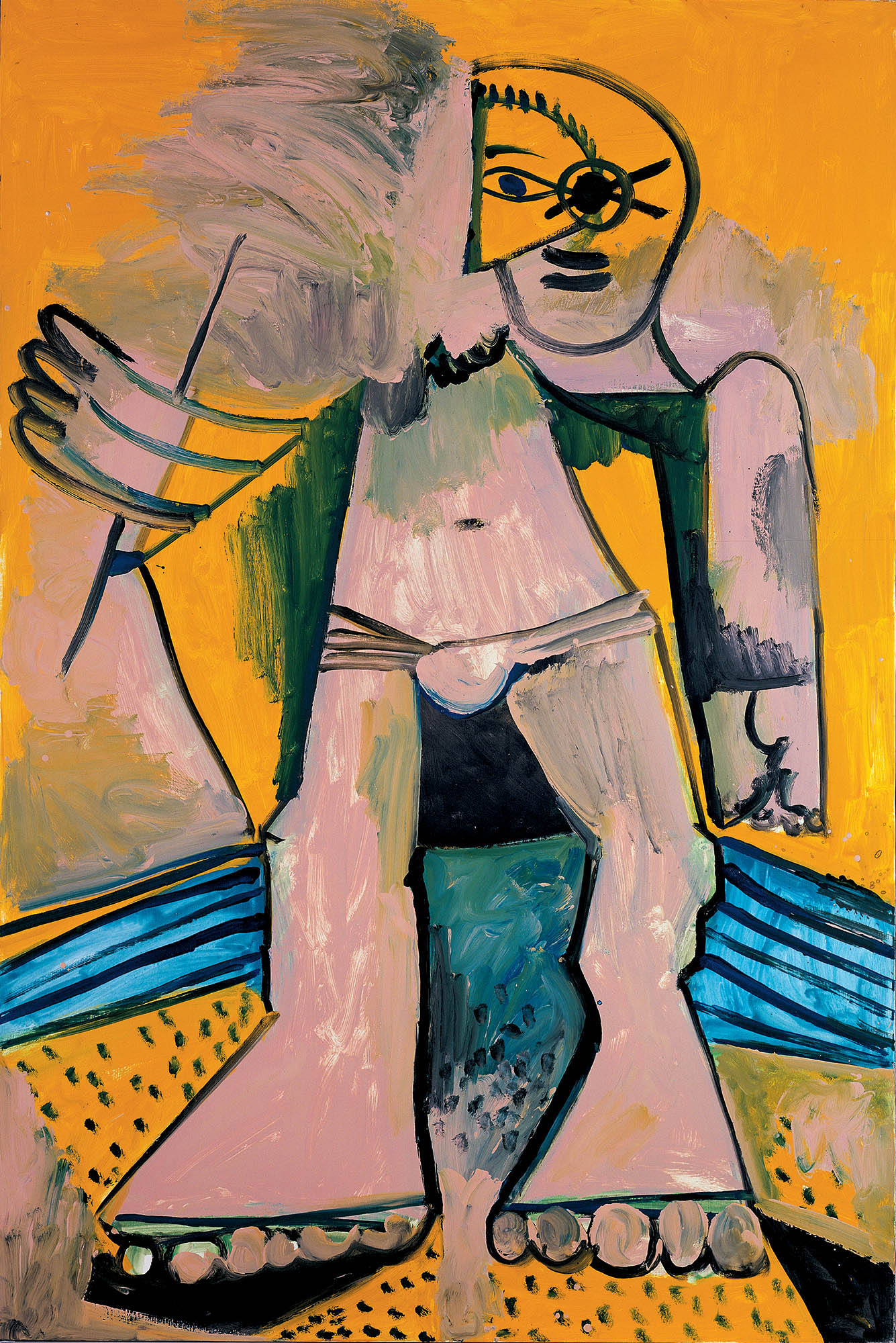
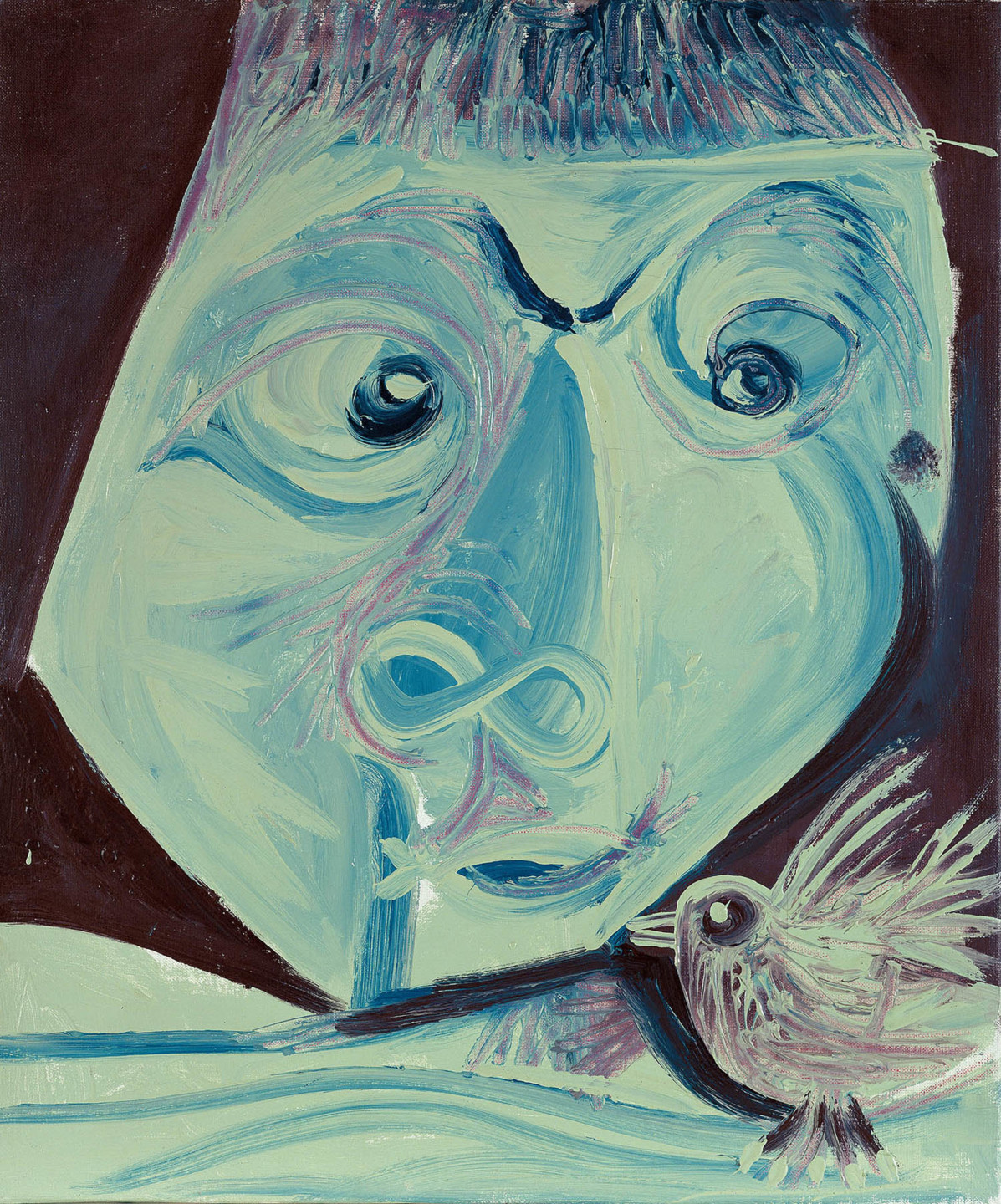
In his late years, Picasso painted with raw energy and an almost childlike curiosity. The broad, cavalier brushstrokes and powerful colours testify to an artist who was seeking new and experimental ways in which to express himself. He revisited subjects from his long life – self-portraits, musketeers ready for action, loving couples – and reflected on old age, death, love, desire and creativity.
For a long time after the death of Picasso in 1973, the works from this period were overlooked. However, Picasso's late works have been reevaluated and today they are regarded as groundbreaking. They have also inspired later generations of artists.
Late Picasso is a unique opportunity to discover this special period of Picasso's art.
Collaboration
The exhibition is the result of collaboration between PoMo (Trondheim), Moderna Museet (Stockholm), Kunsten Museum of Modern Art, Aalborg and the Fundación Almine y Bernard Ruiz-Picasso (FABA) (Brussels and Madrid).
The exhibition was initiated and organised by Dr. Dieter Buchhart and Dr. Anna Karina Hofbauer. At Kunsten it will be curated by Caroline Nymark Zachariassen.
Pablo Picasso
Pablo Picasso (1881-1973), born in Málaga, Spain, had a huge impact on 20th-century art – an impact that extends to the present day.
In the early 20th century, he was based in Paris, France. Here, together with Georges Braque (1882-1963), he developed Cubism – a revolutionary approach to art that challenged traditional representation of reality. Picasso underwent several stylistic periods, including the Blue and Pink periods, and also created political works such as Guernica (1937).
In the 1940s he moved to the south of France, where he continued his experiments with painting, graphics, ceramics and sculpture. This would be both his home and creative base in the final years of his life. He died in 1973.
Since his death, the image of Picasso has become more nuanced. While his art is still praised for its power, originality and influence, it is also viewed in a critical light: new generations question his cultural appropriation and view of women. It is perhaps in this very tension between artistic genius and human complexity that we find the key to his continued relevance.

Selected Artworks
In collaboration with


Sponsored by